

Skincare can feel overwhelming. Social media feeds are filled with 10-step routines, trending ingredients, and endless product recommendations that promise flawless skin. Yet despite spending more time and money on skincare than ever before, many people still struggle with dryness, breakouts, irritation, and uneven skin tone.
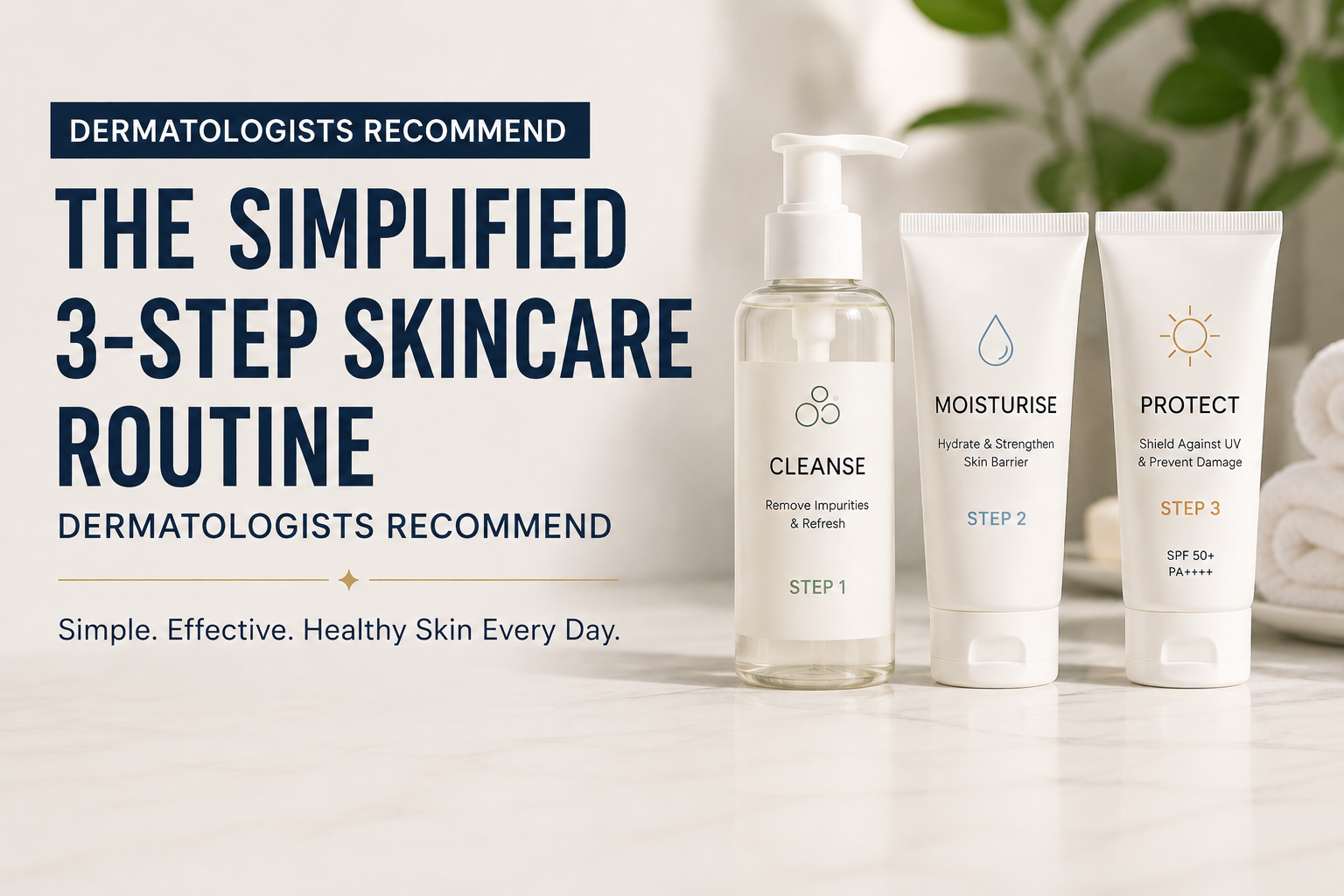
The truth is that dermatologists consistently recommend a much simpler approach. While specialized treatments can have their place, the foundation of healthy skin usually comes down to three essential steps: cleansing, moisturizing, and protecting with SPF. This simplified skincare routine is effective, easy to follow, and suitable for most skin types.
If you have ever wondered whether you really need a complicated routine, this guide explains why a dermatologist recommended skincare approach often delivers better results than a crowded bathroom shelf full of products.
Why Most Skincare Routines Fail
One of the biggest reasons skincare routines fail is inconsistency. Many people start with enthusiasm, purchase several products at once, and follow a complicated regimen for a few weeks before giving up.
Another common issue is overloading the skin. Using too many active ingredients simultaneously can weaken the skin barrier, leading to redness, irritation, dryness, and sensitivity. When this happens, people often add even more products in an attempt to fix the problem, creating a frustrating cycle.
Skincare trends can also contribute to poor results. A product that works for one person may not be suitable for another. Skin type, age, environment, lifestyle, and genetics all influence how skin responds to products.
A simple skincare routine removes unnecessary complexity and focuses on what skin truly needs every day.
What Dermatologists Actually Recommend
When dermatologists evaluate skincare routines, they generally focus on long-term skin health rather than quick fixes. Most experts agree that healthy skin depends on three core practices:
- Gentle cleansing
- Consistent moisturization
- Daily sun protection
These skincare essentials form the foundation of nearly every healthy skin routine.
Once these basics are established, additional treatments such as retinoids, vitamin C serums, or exfoliants can be added if necessary. However, they should support the routine rather than replace the fundamentals.
Many skincare brands, including Dussl, have embraced this philosophy by emphasizing effective products that support skin health without unnecessary complexity.
The Science Behind Keeping Skincare Simple
Your skin has a natural protective barrier known as the stratum corneum. This outer layer helps retain moisture while protecting against environmental stressors, bacteria, and pollutants.
When too many products disrupt this barrier, skin can become inflamed and vulnerable. Research has consistently shown that maintaining barrier function is critical for healthy glowing skin.
A simplified daily skincare routine works because it supports the skin’s natural processes rather than constantly challenging them. Cleansing removes impurities, moisturizing replenishes hydration, and SPF protects against environmental damage.
Together, these three steps create a balanced environment where skin can function optimally.
Step 1: Cleanse
Why Cleansing Matters
Cleansing is the foundation of every skincare routine. Throughout the day, your skin accumulates oil, sweat, dirt, pollution, sunscreen, and makeup residue. If these substances remain on the skin, they can contribute to clogged pores, irritation, and dullness.
A proper cleanse helps maintain a clean surface without stripping away essential moisture.
In the morning, cleansing prepares the skin for moisturizer and sunscreen. At night, it removes the day’s buildup and allows the skin to repair itself during sleep.
For example, someone who spends their day commuting through a busy city is exposed to pollutants and environmental particles that settle on the skin. A gentle cleanse at night helps remove these contaminants and reduces stress on the skin barrier.
How to Choose the Right Cleanser
Not all cleansers are created equal. The best cleanser depends on your skin type and specific concerns.
People with dry or sensitive skin often benefit from cream or hydrating cleansers that clean without causing tightness.
Those with oily or acne-prone skin may prefer gel-based cleansers that remove excess oil while maintaining balance.
When selecting a cleanser, look for products that are:
- Gentle and non-irritating
- Free from harsh sulfates when possible
- Suitable for your skin type
- Designed to support the skin barrier
Avoid choosing products solely because they are trending online. What matters most is how your skin responds over time.
Common Cleansing Mistakes
Many people unintentionally sabotage their skin during the cleansing step.
Using very hot water is one of the most common mistakes. While it may feel relaxing, hot water can strip natural oils and increase dryness.
Another mistake is over-cleansing. Washing your face multiple times throughout the day can disrupt the skin barrier and trigger excess oil production.
Aggressive scrubbing is also unnecessary. Skin should be treated gently, especially if it is sensitive or acne-prone.
A good cleanse should leave your skin feeling refreshed, not tight or uncomfortable.
Step 2: Moisturise
Why Hydration Is Essential
Moisturizing is often misunderstood. Some people believe they only need moisturizer if their skin feels dry. In reality, every skin type benefits from proper hydration.
A moisturizer helps lock in water, reduce moisture loss, and support the skin’s protective barrier. Even oily skin requires hydration to function properly.
When skin becomes dehydrated, it may produce more oil as compensation, potentially contributing to breakouts and shine.
Think of moisturizer as maintenance for your skin barrier. Just as a house requires regular upkeep to stay strong, your skin needs ongoing support to remain healthy.
Choosing the Right Moisturiser
Selecting the right moisturizer depends on your skin’s needs.
Lightweight lotions often work well for oily or combination skin, while richer creams may be more suitable for dry or mature skin.
Ingredients commonly recommended by dermatologists include:
- Hyaluronic acid for hydration
- Ceramides for barrier support
- Glycerin for moisture retention
- Squalane for nourishment
A beginner skincare routine does not require expensive products. Consistency matters far more than price.
Many consumers are increasingly drawn to brands such as Dussl because they focus on practical skincare solutions that align with the principles of simplicity and effectiveness.
How Moisturising Strengthens the Skin Barrier
The skin barrier acts as your body’s first line of defense. When it becomes compromised, symptoms can include:
- Redness
- Flaking
- Sensitivity
- Irritation
- Increased breakouts
Moisturizers help reinforce this barrier by replenishing lipids and supporting water retention.
Imagine someone who regularly uses strong exfoliants but skips moisturizer. Their skin may initially appear smoother, but over time the barrier can weaken, leading to chronic irritation.
Adding a quality moisturizer consistently can help restore balance and improve overall skin health.
Step 3: Protect with SPF
Why SPF Is the Most Important Step
If dermatologists could choose only one anti-aging product, most would select sunscreen.
Daily sun protection is arguably the most important part of an SPF skincare routine because ultraviolet radiation contributes significantly to skin damage.
Even on cloudy days, UV rays penetrate the atmosphere and affect the skin. Indoor exposure near windows can also contribute to cumulative damage.
Regular sunscreen use helps protect against:
- Premature aging
- Hyperpigmentation
- Sunburn
- Collagen breakdown
- Certain skin cancers
Without SPF, many skincare efforts become less effective because ongoing UV damage continues to undermine skin health.
How UV Exposure Affects Skin Ageing
Ultraviolet radiation accelerates a process known as photoaging.
Over time, repeated UV exposure damages collagen and elastin, the proteins responsible for keeping skin firm and youthful.
Common signs of photoaging include:
- Fine lines
- Wrinkles
- Dark spots
- Uneven skin tone
- Loss of elasticity
Many people spend years searching for solutions to these concerns without realizing that prevention through sunscreen is often more effective than correction.
For example, two individuals with similar genetics may age very differently depending on their long-term sun protection habits.
How to Choose the Right SPF Product
For everyday use, dermatologists generally recommend broad-spectrum sunscreen with SPF 30 or higher.
When selecting a sunscreen, consider:
- Broad-spectrum protection
- SPF 30 or above
- Comfortable texture
- Compatibility with your skin type
- Ease of daily use
The best sunscreen is the one you will actually wear consistently.
Apply sunscreen every morning as the final step in your morning skincare routine and reapply when necessary, especially during prolonged outdoor exposure.
Morning vs Night Routine
A simple routine can be adjusted slightly depending on the time of day.
Morning Skincare Routine
The goal of a morning skincare routine is protection and preparation.
A typical morning routine includes:
- Gentle cleanser
- Moisturizer
- Sunscreen
This combination helps maintain hydration while defending against environmental stressors.
Night Skincare Routine
A night skincare routine focuses on cleansing and recovery.
A typical evening routine includes:
- Cleanser
- Moisturizer
At night, the skin naturally undergoes repair processes. Cleansing removes the day’s buildup, while moisturizer supports recovery and hydration.
The beauty of this approach is its simplicity. It takes only a few minutes yet provides the essential care your skin needs.
Common Skincare Mistakes That Damage Results
Even the best products cannot compensate for poor skincare habits.
One common mistake is constantly switching products. Skin often needs several weeks to adapt and show results. Frequent changes make it difficult to evaluate effectiveness.
Another issue is chasing trends rather than addressing actual skin needs. A viral product may not be suitable for your skin type.
Skipping sunscreen is also a major problem. Many people focus heavily on treatment products while neglecting protection.
Additionally, unrealistic expectations can lead to disappointment. Healthy skin improvements typically occur gradually rather than overnight.
Consistency remains one of the most underrated factors in skincare success.
How Long Does It Take to See Results?
Patience is essential when following a dermatologist recommended skincare routine.
Some benefits, such as improved hydration, may become noticeable within days. However, more significant improvements often require several weeks.
General timelines may look like this:
- Hydration improvements: 1 to 2 weeks
- Barrier repair: 2 to 6 weeks
- Texture improvements: 4 to 8 weeks
- Visible reduction in some pigmentation concerns: several months
Because skin renews itself gradually, lasting improvements take time.
The most important thing is maintaining consistency rather than constantly searching for instant solutions.
Who Can Benefit from a 3-Step Routine?
One reason this simple skincare routine is so widely recommended is its versatility.
Teenagers dealing with occasional breakouts can benefit from a basic routine that protects the skin barrier.
Busy professionals who struggle to maintain lengthy regimens often find that a simplified approach is easier to sustain.
People with sensitive skin may experience fewer reactions when they reduce unnecessary products.
Older adults concerned about aging can support skin health through daily cleansing, moisturizing, and sun protection.
In reality, nearly everyone can benefit from a streamlined routine built around proven skincare essentials.
Expert Tips for Healthier Skin
While skincare products are important, daily habits also influence skin health.
Drink adequate water throughout the day to support overall hydration.
Aim for consistent sleep, as skin repair processes are most active during rest.
Manage stress whenever possible because chronic stress can contribute to various skin concerns.
Eat a balanced diet rich in fruits, vegetables, healthy fats, and protein to provide nutrients that support skin function.
Finally, remember that skincare is not about perfection. The goal is healthy, resilient skin that functions well over the long term.
FAQs
Q) Is a 3-step skincare routine really enough?
For most people, yes. Dermatologists often recommend cleansing, moisturizing, and applying sunscreen as the foundation of effective skincare. These three steps address the most important aspects of skin health and can produce excellent results when followed consistently.
Q) Can oily skin skip moisturizer?
No. Oily skin still needs hydration. Skipping moisturizer can sometimes cause the skin to produce even more oil to compensate for dehydration. Choosing a lightweight, non-comedogenic moisturizer is usually the best approach.
Q) How often should sunscreen be applied?
Sunscreen should be applied every morning as part of your daily skincare routine. If you spend extended time outdoors, sweat heavily, or swim, reapplication is necessary to maintain protection.
Q) What is the best beginner skincare routine?
A beginner skincare routine should focus on a gentle cleanser, a suitable moisturizer, and a broad-spectrum sunscreen. Starting with these basics helps establish healthy habits without overwhelming the skin.
Q) Can a simple routine help with signs of aging?
Yes. Consistent cleansing, moisturizing, and sun protection can significantly support healthy aging. Daily sunscreen use is particularly important because UV exposure is one of the leading causes of premature skin aging.
Conclusion
The skincare industry often encourages the idea that more products equal better results. However, dermatologists consistently emphasize a different message: simplicity works.
A well-designed 3-step routine built around cleansing, moisturizing, and daily SPF provides the foundation for healthy, resilient skin. These steps support the skin barrier, maintain hydration, and protect against environmental damage that accelerates aging and irritation.
Whether you are starting a beginner skincare routine or simplifying an existing regimen, focusing on these essentials can help you achieve healthier, more balanced skin over time. Brands such as Dussl reflect this growing movement toward practical, effective skincare that prioritizes long-term skin health rather than unnecessary complexity.
The most effective skincare routine is not the one with the most products. It is the one you can follow consistently every day. Start simple, stay consistent, and give your skin the support it truly needs to thrive.