

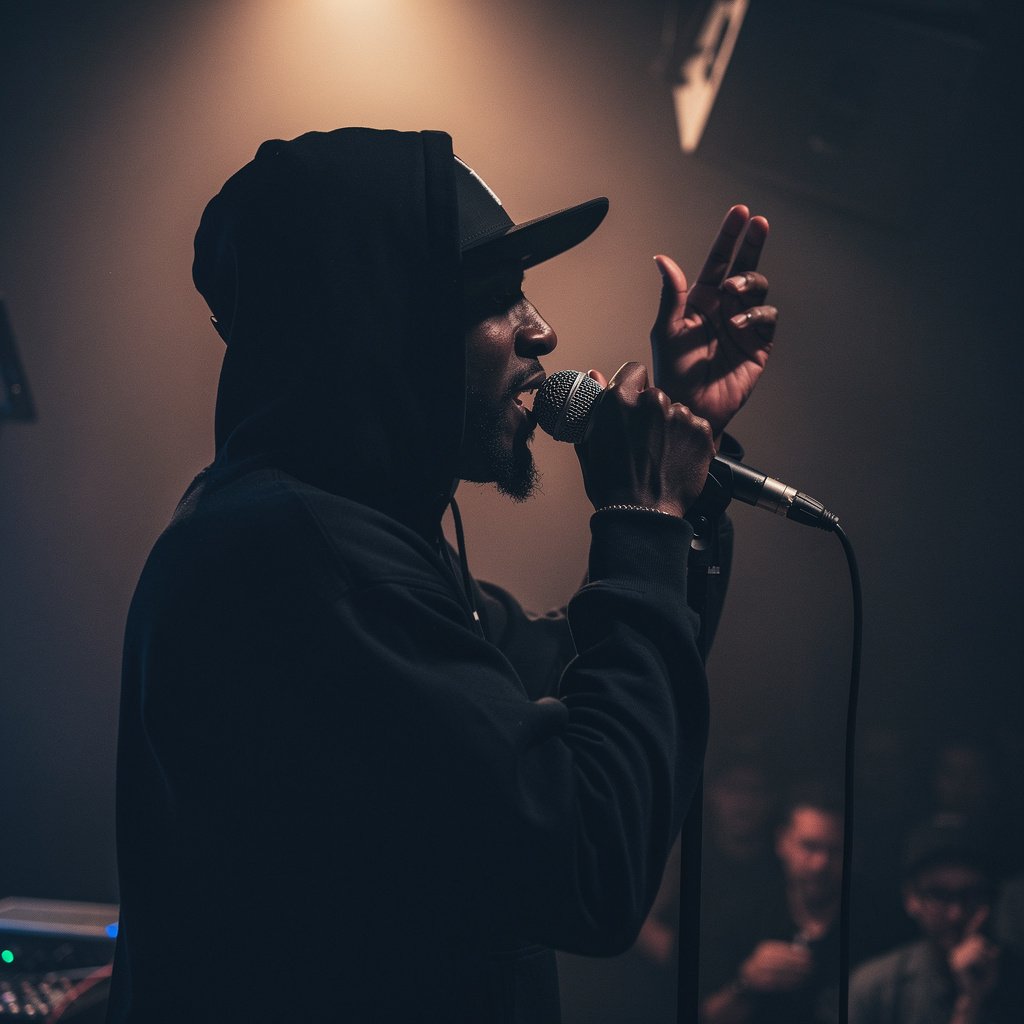
Rap is a style of music built around rhythmic speech rapping delivered over a beat. The rapper’s voice functions like percussion and melody at once: timing, rhyme, cadence, and tone are the instruments. Most rap records also revolve around a DJ or producer’s track, whether that track is made from samples, live musicians, drum machines, or a mix of all three.
It’s simple to describe, but hard to master. Great rap hinges on breath control, pocket, writing, and presence. A verse can be conversational or complex, funny or brutal, political or purely playful. That flexibility is part of why rap has stayed culturally central for more than 40 years.
Where rap began-and why it started there
Rap music as we know it took shape in the Bronx in the early 1970s. New York City was going through disinvestment, arson, and deep budget cuts. In that environment, block parties became a lifeline-cheap, local, and community-run.
A widely cited turning point is DJ Kool Herc’s party on August 11, 1973, at 1520 Sedgwick Avenue. Herc extended the “break” section of funk and soul records the moments when the drums hit hardest-so dancers could stay in that peak energy longer. That technique, plus the sound system culture Herc brought from Jamaica, helped establish the DJ as the engine of the party.
MCs originally existed to keep the crowd moving: short chants, call-and-response lines, and quick shoutouts. Over time those crowd-rocking phrases stretched into longer rhymes, and the MC became the star.
If you want a tighter, scene-by-scene account of that period, see our explainer on the Bronx block‑party blueprint.
Rap vs. hip-hop: the distinction that still matters
People use “rap” and “hip-hop” interchangeably, but they’re not the same thing.
- Rap is the vocal technique and the songs built around it.
- Hip-hop is the broader culture that formed around those Bronx parties-traditionally described as DJing, MCing (rapping), breakdancing, graffiti, and a shared code of style, language, and community.
So: rap is a core element of hip-hop, but hip-hop includes much more than recorded music.
How rap works (and what to listen for)
Even casual listeners can hear when a rapper is “good,” but it helps to know what you’re reacting to:
- Flow: how the rapper places syllables against the beat. Some flows sprint; others drag behind the drums on pur
- pose.
- Rhyme: end rhymes are the entry level. Internal rhymes, multisyllabic patterns, and slant rhymes create texture.
- Pocket: the invisible groove. Two rappers can use the same words and sound totally different just by changing their pocket.
- Delivery: tone, emphasis, character, and emotion. This is where “mic presence” becomes real, not just a phrase.
- Production: rap has always been tied to beat-making innovation-turntables, samplers, drum machines, and now laptops.
One piece of gear that shaped the sound across decades is the Roland 808; we break that story down in how the TR‑808 rewired modern drums.
A brief, factual timeline: rap by era
1970s: live party culture to early recordings
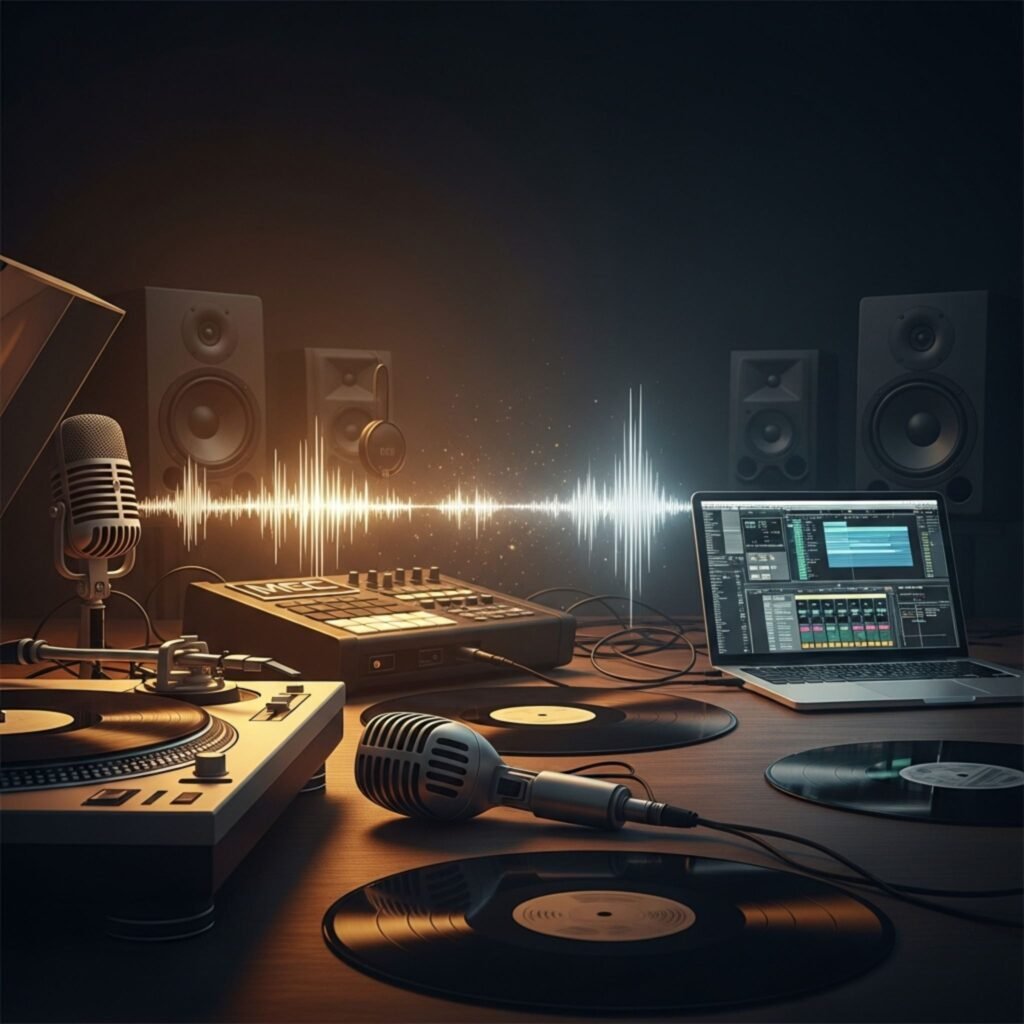
Rap started as a live, local performance style. By 1979, recorded rap broke through commercially with “Rapper’s Delight” by the Sugarhill Gang. The record didn’t invent rap, but it proved the format could sell nationally.
Early 1980s: rap becomes a recording art
By 1982, Grandmaster Flash and the Furious Five’s “The Message” showed rap could carry vivid social storytelling not just party chants. Labels, radio, and touring circuits started to solidify.
Mid-to-late 1980s: national expansion
Groups like Run-DMC helped bring rap to mainstream stages, while artists like LL Cool J defined the solo star model. Production grew harder and more minimal in places, with drum machines and sharp turntable cuts. Regional scenes gained identity.
1990s: the “Golden Age” splits into many lanes
The early-to-mid ’90s are often called a peak era for lyrical and sonic variety. Boom-bap, jazz-rap, street narratives, and experimental approaches coexisted. At the same time, West Coast rap surged commercially, and Southern cities built their own ecosystems.
For an album-focused map of that decade, visit our guide to the ’90s records that still set the bar.
2000s: mixtape economy and the digital turn
The 2000s widened access. Mixtapes-both street CDs and early internet drops—became a parallel industry. Producers blended soul samples, synth-driven club tracks, and increasingly polished pop-rap. As file-sharing and MP3 blogs grew, gatekeeping weakened.
2010s: streaming changes everything
Streaming shifted rap’s center of gravity. Singles and playlists mattered more than radio in many markets, and scenes could pop without traditional label infrastructure. Trap—built on rolling hi-hats, heavy 808s, and tense melodies-became a dominant mainstream language.
2020s: hyper-regional sounds go global
Rap today moves fast: scenes rise from specific neighborhoods, then travel instantly through social platforms. That doesn’t mean everything is new-artists still study flows, flips, and the same fundamentals-but the release cycle is quicker and the audience is worldwide from day one.
Major rap subgenres-and what defines them
Rap subgenres are often more about rhythm, tone, and local history than strict rules. Here are key branches you’ll run into:
Boom-bap
A classic East Coast feel: punchy kick-and-snare patterns, chopped samples, and a head-nod tempo. The rapper’s cadence usually sits front and center, with dense writing rewarded.
Gangsta rap
Street-focused storytelling that rose to prominence in the late ’80s and early ’90s, especially on the West Coast. It’s not a single sound-more a lyrical lens-though certain eras leaned toward stark drums or funk-based production. For a closer sonic breakdown, see a look at the G‑funk era and its signature swing.
Southern rap (and its many cities)
Atlanta, Houston, Memphis, New Orleans, and Miami each developed distinct approaches-from chopped-and-screwed to bounce to crunk. “Southern rap” isn’t one style; it’s a region with multiple musical dialects.
Trap
A modern mainstream cornerstone rooted in Southern street rap. Expect rapid hi-hat patterns, sub-heavy 808s, and melodic, often minor-key loops. Vocals range from clipped and aggressive to fully sung.
Drill
A harsher, more minimal offshoot known for tense energy and blunt realism. Chicago drill drew attention in the early 2010s, then spread and mutated-especially in the UK and New York. We’ve covered the basics in our primer on Chicago drill’s early wave.
Conscious and political rap
Music driven by social critique, community reporting, and personal reflection. This lane has existed since the early days (“The Message” remains a touchstone) and continues across generations, often intersecting with jazz, soul, or stripped-back production.
Alternative / experimental rap
A wide umbrella for artists who bend structure: unusual samples, live instrumentation, abstract writing, punk and electronic influences, or intentionally off-kilter mixing.
Grime (UK)
Often discussed alongside rap, grime grew in early 2000s London with its own tempos and electronic DNA. It’s MC-driven and rhythm-first, with roots in pirate radio and rave culture. If that world is new to you, start with grime’s pirate‑radio origins and key voices.
Cultural and global impact
Rap’s impact isn’t limited to charts. It changed language (slang travels fast), fashion (from sneakers to luxury flips), and how youth culture builds identity. It also reshaped the music business: mixtape circuits, DJ culture, producer-as-artist recognition, and now the direct-to-audience model all have rap fingerprints.
Globally, rap became a toolkit for local storytelling. French rap developed its own tradition from the late ’80s onward. Korean hip-hop grew from an underground movement into a major industry. Across Africa, rap scenes have thrived in multiple languages, often tied to sharp political commentary. The pattern is consistent: the form adapts to local rhythm and speech, then speaks back to power.
Rap music in the modern era
Modern rap is less a single genre than a shared method: rhythmic vocals over beats, shaped by local scenes and online distribution. A rapper today might record at home, build an audience on short-form video, and still end up on festival stages. At the same time, the basics haven’t changed. The artists who last are usually the ones with a clear voice-writing, delivery, and identity that can’t be copied cleanly.
Technology keeps shifting the sound, but rap’s core is still human: breath, timing, and the need to be heard.
FAQ: quick answers for new listeners
What is rap in one sentence?
Rap is rhythmic spoken (or semi-sung) vocals performed over a beat, with flow and rhyme acting like the main musical elements.
Did rap start in the Bronx?
Yes-modern rap and hip-hop culture took shape in the Bronx in the early 1970s, especially through block parties and DJ innovations.
What’s the difference between a rapper and an MC?
“MC” originally meant “Master of Ceremonies,” the person who controlled the crowd and kept the party moving. Today the terms overlap, but “MC” often implies a focus on live performance skills and lyrical craft.
Is rap always about violence or bragging?
No. Those themes exist, but so do comedy records, love songs, social commentary, storytelling, spiritual rap, and pure technique-focused lyricism.
How should I start listening if I’m new?
Pick one lane storytelling, club records, lyrical boom-bap, melodic trap and follow what feels natural. Then work backward: when you find a voice you like, explore their influences, producers, and the scene they came from.